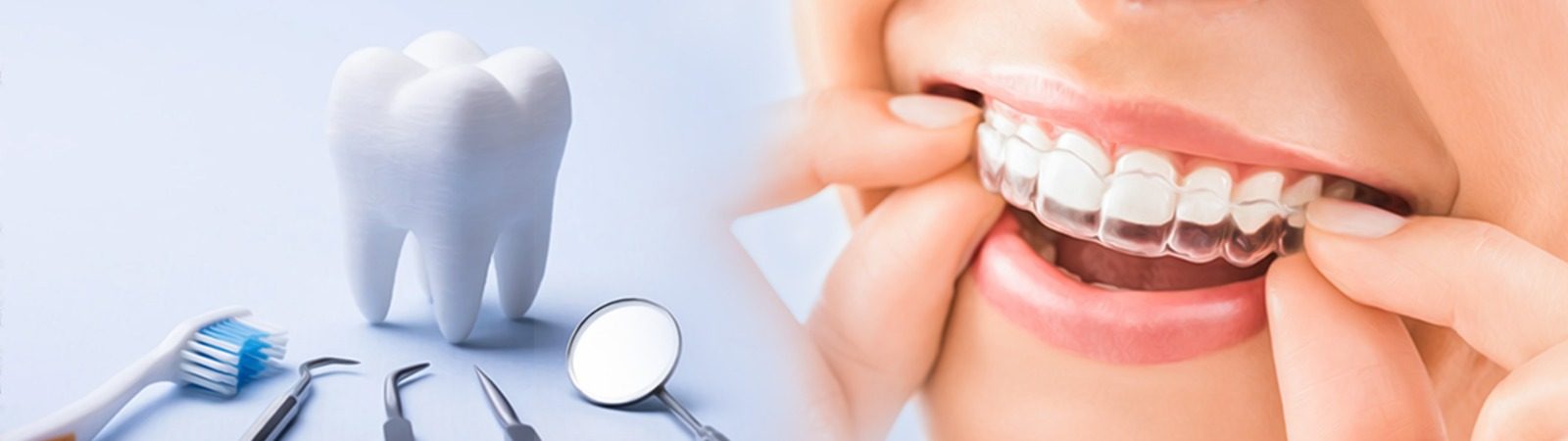
Paediatric dentistry, also known as pedodontics, is a specialized branch of dentistry that offers comprehensive dental care for children, ranging from infants to adolescents. Do you think this field is necessary or need of the hour? Some of us may think a normal dentist would do the job. This writing will discuss the necessity of Paediatric dentistry and the benefits of early dental care.
Why does it matter?
Paediatric dentistry not only focuses on the life-long oral health of children but also addresses their fears and concerns and fosters a positive dental experience. Paediatric dentists are trained to provide child-friendly and age-appropriate treatments. A paediatric dentist is both an educator and a practitioner, so they are equipped with additional training to nourish their knowledge of children’s emotional and holistic developmental needs. They also receive guidance in child psychology to easily deal with youngsters. They easily recognize the needs of children and use child-friendly strategies such as storytelling, positive reinforcement, age-appropriate language, and rewards. Children’s dental requirements are different from adults which demands knowledge, skill, and separate equipment. This field of dentistry educates the children as well as the parents about maintaining oral hygiene and good dental practices. Paediatric dentistry offers inclusive and community health initiatives by providing specialized care for children with special needs and promoting early dental awareness.
The innocent habits and parental conveniences: The natal reflex of thumb-sucking in babies ensures calmness and security. However, the uncontrolled and prolonged practice of thumb-sucking can lead to dental problems like misalignment of teeth, palate changes, and speech disorders. It can also be a source of self-consciousness and social distress as they get older.
Pacifiers, teething toys, nibblers, and other portable devices often persuade engaged parents to pacify their children and adjust to the fast-paced world. The extended use and over-dependence on these tools result in the risk of overbites, crossbites, narrowed palate, jaw alignment, breathing, and speech problems. The fruit nibblers and toddler bottles cause tooth decay. The longer a child has liquid in their mouth, especially if it is sugary, will increase the development of decay.
The uncontrolled dependence on natural habits and parental convenient devices often leads to inconvenient dental problems among children. The breaking of these habits is quite challenging nowadays. Early education and guidance about oral health will help parents to establish healthy habits and practices among children. Paediatric dentists provide timely guidance and instructions to resolve these issues.
The prevention, diagnosis, and remedy: Prevention is the key.It is better to prevent dental issues from infancy than to fix them later. Paediatric dentists are trained to advise the best dietary choices and brushing techniques. The early dental care helps to acknowledge the oral conditions of the child and provide the needful treatments. The early diagnosis and assessment of the problem help to fix it before it turns into a complex issue that affects the mental as well as the physical health of the child.
Choosing healthy habits: Some of us learned the right way of brushing from advertisements. We may start sideways but forget to go upwards and downwards. The proper instruction and early correction would have helped us to unlearn and relearn. An early visit to a paediatric dentist will help our children to follow the right dental habits. Over brushing reduces the teeth’ enamel which will eventually lead to pain and sensitivity. Don’t neglect the tongue. Paediatric dentistry provides the right practices and restores confidence to smile and talk.
Deciding the right products: The market is overflowing with a wide variety of dental hygiene products like brushes, pastes, mouthwash, chewing gums, teeth whitening creams, water flossers, etc. Parents are often confused about buying the best and necessary products for their kids. In this context, a Paediatric dentist can provide the necessary products according to the condition of the child. The doctor can easily identify which content is allergic to the child if he/she knows the dental history of the child. It will reduce uncertainties and product-related mouth problems.
Dental First-Aid: Common dental emergencies like toothache and mouth ulcers can be cured early with salt and warm water. However, the knowledge of preserving the fractured or knocked-out tooth in milk or saline and handling the tooth by the crown, not the root comes from a practitioner. Early and effective action in dental emergencies results in critical impact. Hence educating parents, children, and caretakers about these responsive measures is significant in paediatric dentistry.
Recognizing the signs of Systemic Health issues: Our body reflects what we eat. Hence oral health and hygiene are closely associated with our total health. The mouth can indicate the signs of diabetes and changes in the oral cavity can reflect a deficiency of nutrition in children. The red patches on the tongue often indicate the signs of cancer. A paediatric dentist can easily detect these symptoms and systemic health issues.
Ensures the self-assured smile: The so-called beauty definitions of evenly aligned white teeth, healthy pink gums, and perfect jawline affect the smile. A paediatric dentist can stimulate a positive self-image by promoting oral health and healthy habits. Adolescents often hide their smiles due to ill-nourished confidence. This can be prevented if we establish early dental support from the pedodontist. A paediatric dentist can suggest and practice child-friendly braces and it’s maintenance by providing child-centric awareness and suitable way of communication.
Inherited family dental characteristics: Early dental care and follow-ups ensure the complete oral health of the child. A paediatric dentist will enquire and study about inherited genetic disorders related to oral health. This will help the doctor to predict the development of diseases like weak teeth, craniofacial deformity, delayed teething, overgrown gum tissues, etc., and take preventive measures from the early stages of development.
Inclusive oral health initiatives: Children with special needs demand extra efforts and welcoming attitudes. The stages of development may vary due to their physical and mental limitations. Certain medications used to treat their health condition may result in oral complications. Say yes to fluoridated water that fights tooth decay. A paediatric dentist will help to find alternatives to the child’s limitations. Paediatric dentistry provides special training for children with special needs to overcome behavioral and dental challenges by offering positive reinforcements like praise and rewards, and by providing a positive and inclusive environment that lowers the child’s insecurities. Sedation dentistry offers different sedative methods to help children relax during procedures. Paediatric dentistry adopts diverse care and approaches accordingly.
Conclusion: The wide range of preventive measures, diagnoses, and remedial treatments and the promotion of oral health practices among parents and children escalates the scope of paediatric dentistry. The need for specialized care and positive attitudes as well as child-centric treatments demands the adaptive and adoptive development of paediatric dentistry. It ensures the best possible care from infancy to adolescence that promotes life-long oral health.